Bringing home a new baby is exciting, emotional, and sometimes a little overwhelming. One minute you're staring at this tiny human wondering how you got so lucky, and the next you're wondering when you last slept, ate a proper meal, or drank your coffee while it was still hot.
And if you're currently pregnant, you might be thinking, I'll figure everything out once the baby gets here.
Listen, I get it. We all have a little bit of that "I'll deal with it when I get there" energy sometimes.
But here's something worth considering before your baby arrives: You don't have to wait until you're exhausted to ask for support.
Hiring an overnight postpartum doula can be one way to make those early weeks feel more manageable. Having someone experienced there to help care for your baby overnight can give you more room to rest, recover, and adjust to your new routine.
If you're searching for an overnight postpartum doula in Massachusetts, you might already know you want help. The next step is finding someone who feels like the right fit for your family.
Here are eight questions I'd encourage you to ask before making that decision.

1. What Training and Experience Do You Have With Newborns?
Not all postpartum support providers have the same training, experience, or responsibilities.
When interviewing an overnight postpartum doula, ask about their training, certifications, experience with newborns, and approach to caring for both babies and parents.
You can also ask about their experience supporting families with different feeding arrangements, including breastfeeding, pumping, and bottle-feeding.
You want someone who understands that every baby is different and that every family has its own preferences.
It's also worth asking how they stay current on newborn care and safe sleep recommendations.
You should feel comfortable discussing your questions and concerns without feeling judged. There are already enough opinions floating around about how to raise a baby. You don't need someone adding more pressure.
The goal is to find someone who makes you feel supported, respected, and comfortable asking questions.
2. What Does Overnight Postpartum Support Actually Include?
This is a big one because the phrase overnight newborn care can mean different things to different families.
Before booking, ask exactly what is included in the service.
Depending on the provider and your agreed-upon plan, overnight postpartum support may include:
Diaper changes and routine newborn care.
Soothing and settling your baby.
Feeding support, including assistance around breastfeeding or bottle-feeding.
Helping you settle back into bed after a feeding.
Sharing observations about your baby's overnight patterns.
Providing reassurance as you become more comfortable caring for your newborn.
Some providers may offer additional tasks, while others keep their focus specifically on newborn care and postpartum support.
Ask what is included, what falls outside the service, and whether any additional fees apply.
For example, if you're breastfeeding, you might want help bringing your baby to you for feeds and settling them afterward. If you're bottle-feeding, you may have different needs.
Neither arrangement is better than the other. Your support should fit your family, not the other way around.

3. How Will You Support My Feeding Preferences?
Feeding a newborn can come with plenty of questions, especially during the first few weeks.
You may be breastfeeding, exclusively pumping, combination feeding, or using formula. Your plans may also change as you learn what works best for you and your baby.
Ask how the overnight postpartum doula approaches feeding support.
For example:
Can they help bring your baby to you when it's time to breastfeed?
Can they assist with routine bottle-feeding if that is part of your agreed care plan?
Can they help with settling your baby after feeding?
Will they respect your feeding choices without pressuring you to do things differently?
How will they communicate with you about your baby's overnight feeding and care?
An overnight doula should respect your family's feeding decisions and work within their training and agreed responsibilities.
They aren't a replacement for a qualified lactation consultant or medical professional when specialized feeding or medical care is needed. However, appropriate overnight support can help you feel less alone as you navigate those early feeding routines.
You deserve support that meets you where you are, not where someone else thinks you should be.
4. How Do You Approach Safe Sleep and Newborn Safety?
Your baby's safety should always be a priority.
Ask the provider to explain their safe sleep practices and how they handle routine newborn care overnight.
You can ask questions such as:
What safe sleep recommendations do you follow?
How do you prepare the baby's sleep space?
What would you do if you noticed something concerning about the baby?
How do you communicate with parents about changes or concerns during the night?
What would you do in an emergency?
The American Academy of Pediatrics recommends placing babies on their backs for every sleep, on a firm, flat, noninclined sleep surface, without loose bedding or soft objects.
You can review current guidance from the American Academy of Pediatrics.
You should also understand the boundaries of the provider's role. A postpartum doula provides nonmedical support and should not be expected to diagnose or treat medical conditions.
If you have concerns about your baby's health or your own recovery, your medical team is the appropriate resource.

5. What Happens If My Baby Has a Difficult Night?
Babies don't exactly check the calendar before deciding to have a fussy night.
Some nights may feel relatively straightforward. Others might involve frequent feeding, difficulty settling, or a baby who seems determined to stay awake just when everyone else is ready for bed.
Ask how the doula handles challenging nights.
Do they adapt to your baby's needs? How do they communicate with you if your baby needs more attention than usual? What happens if something falls outside the agreed scope of care?
It's also helpful to discuss what you expect from an overnight shift.
For example, you may be hoping to get more rest while knowing you'll still need to wake for some feedings. Or perhaps you want help with routine newborn care because you're recovering from birth and need additional support.
Be honest about your expectations.
Overnight support can make a meaningful difference, but no provider should promise that your baby will sleep through the night or that you will never need to wake up.
A good fit is someone who understands your goals and helps you establish realistic expectations.
6. What Are Your Policies for Scheduling, Cancellations, and Backup Care?
Let's talk logistics, because these details matter just as much as the actual care.
Before hiring an overnight postpartum doula, make sure you understand the practical arrangements.
Ask about:
Available nights and scheduling flexibility.
Minimum booking requirements, if any.
How far in advance you should reserve care.
What happens if your baby arrives earlier or later than expected.
Cancellation and rescheduling policies.
What happens if the doula becomes sick or has an emergency.
Payment terms and any additional fees.
If you're planning support around your due date, remember that babies have their own schedules. Discuss how the provider handles changing dates and unexpected circumstances.
If you live in Lowell, Tewksbury, Chelmsford, Acton, Littleton, Boston, or a surrounding Massachusetts community, confirm that the provider serves your area and ask about any travel-related fees.
You don't want to discover important details after you've already made plans for your first few weeks at home.
A clear agreement helps everyone know what to expect.

7. How Will You Communicate With Me and My Partner?
Welcoming a baby affects the whole household, and overnight care works best when everyone understands the arrangement.
Ask how the doula communicates with parents during and after an overnight shift.
Some families may want a brief update about feedings, diaper changes, and how the night went. Others may prefer minimal interruptions unless something requires their attention.
Discuss those preferences before care begins.
If you have a partner, consider how overnight support will fit into your family's routine.
Perhaps your partner is returning to work and needs more rest. Maybe you're recovering from a difficult birth. Or perhaps you're both first-time parents and would feel more confident knowing someone experienced is available to help with routine newborn care.
Whatever your situation, you should be able to discuss your needs openly.
It's also important to talk about privacy, household expectations, and how the doula will respect your home and family routines.
You are inviting someone into a very personal season of your life. Feeling comfortable with that person matters.
8. Do I Feel Comfortable With This Person in My Home Overnight?
This might be the most important question of all.
Qualifications and experience matter. So do scheduling, pricing, and services.
But imagine welcoming someone into your home while you're recovering from birth, wearing whatever happens to be comfortable, and trying to figure out life with a newborn.
You need to feel comfortable being yourself.
During your consultation, pay attention to how the provider listens to you. Do they answer your questions clearly? Do they respect your preferences? Can you talk openly about your concerns without feeling embarrassed?
You don't need someone who makes you feel like you have to prove you're a good parent.
You need someone who understands that learning your baby takes time.
Ask for references if available, review the service agreement carefully, and make sure you understand the provider's qualifications, responsibilities, and boundaries before booking.
And trust yourself when deciding whether the relationship feels right.

When Should You Start Looking for Overnight Postpartum Support?
If you already know you may want overnight help, consider researching providers during pregnancy rather than waiting until you're home with your newborn and running on two hours of sleep.
Starting early gives you time to compare services, ask questions, discuss your budget, and figure out what kind of support would be most helpful.
You don't necessarily have to know exactly what every night will look like. The point is to understand your options before you're in the thick of it.
You might decide you want support during the first few weeks, help on selected nights, or a different arrangement based on your family's needs and the provider's availability.
There is no single right approach for every household.
The best plan is one that takes your recovery, your baby's care, your family's routine, and your available resources into account.
And if your needs change after the baby arrives? That's okay, too. Parenthood has a funny way of reminding us that even the best plans sometimes need a little adjustment.
A Little Support Can Make Those Early Weeks Feel Different
As a postpartum doula, I believe parents deserve care and support during the transition into life with a newborn.
So much attention goes toward preparing for the baby. We research car seats, wash tiny clothes, organize the nursery, and make sure we have approximately seventeen different kinds of burp cloths.
But who is looking after the person doing all that preparing?
Your recovery matters. Your rest matters. Your emotional well-being matters.
And asking for help doesn't mean you're struggling to be a parent. It means you're recognizing that caring for a newborn is a lot of work, and you don't have to do everything alone.
If you're looking for an overnight postpartum doula in Massachusetts, take your time, ask questions, and choose support that respects your family and your needs.
You deserve to feel cared for, too.
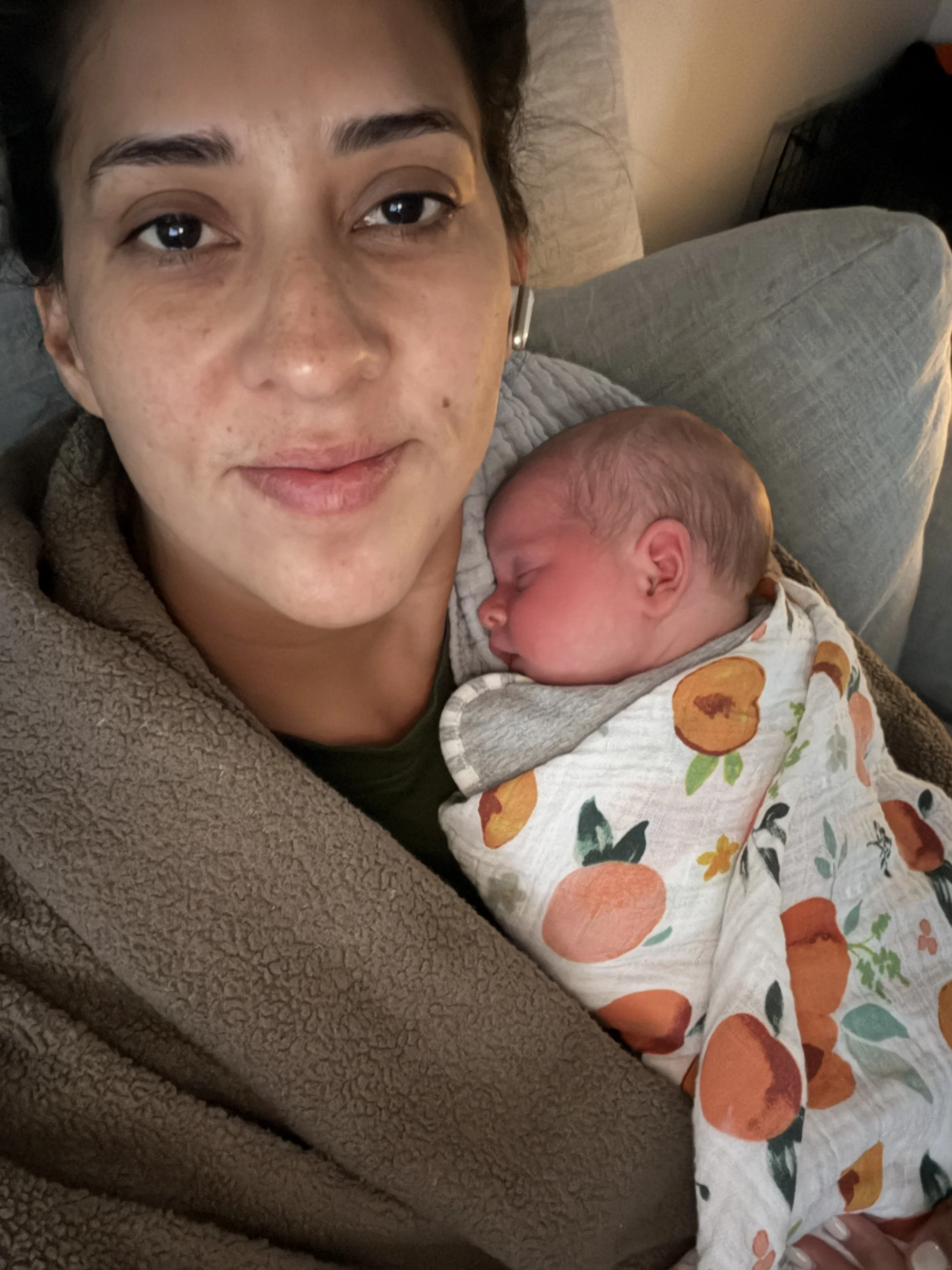
Ready to Talk About Overnight Newborn Care?
If you're expecting a baby or have recently welcomed one home, I'd love to hear more about your family and what kind of support you're looking for.
I'm Shirley Anne, a photographer and certified postpartum doula offering care centered on supporting parents and their newborns.
Whether you're preparing for your first baby or adding another little human to an already busy household, we can talk about your needs and explore whether overnight postpartum support is a good fit.
I serve families in the Greater Boston and surrounding Massachusetts areas, with availability and service details discussed individually.
Reach out through my contact page to ask about overnight newborn and postpartum care.
Let's talk about how I may be able to support you during those early weeks.
Because you deserve more than advice to "sleep when the baby sleeps."
Sometimes, you deserve an actual helping hand.
